Explore AMG CAR PARTS for genuine replacement components
Best Venues to Acquire Car Parts: A Complete Resource for High Quality and Economical Value
Determining the right car parts can be a tough task. It demands balancing quality with budget-friendliness. Multiple options are present, from local auto parts stores to online retailers and salvage yards. Each selection brings its own set of advantages and limitations. Recognizing these differences is vital. As one explores this landscape, certain key considerations will emerge, impacting the decision-making process. The next steps will clarify how to make informed choices.
How to Determine Your Vehicle's Part Requirements
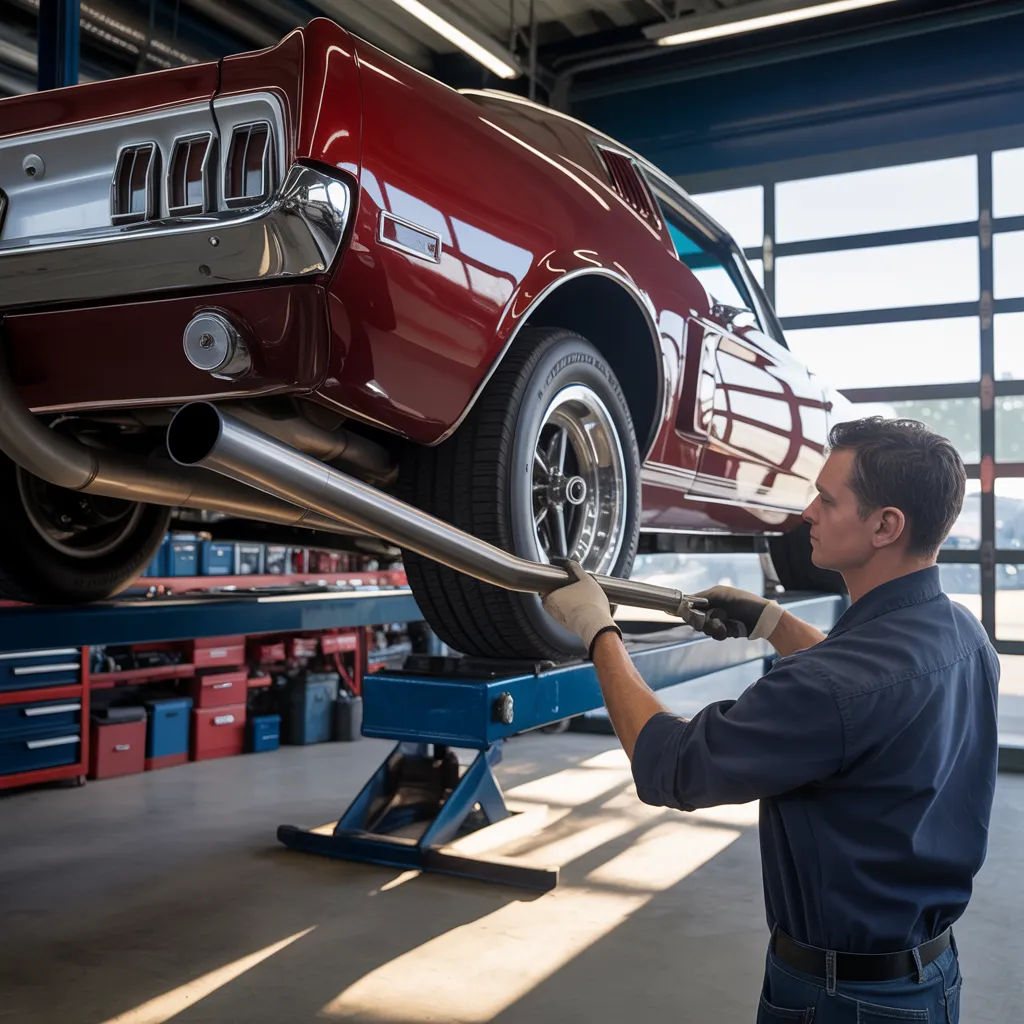
How can a car proprietor accurately determine their automobile's part requirements? First, it is essential to consult the vehicle manual, which offers specific information about part numbers and requirements. In addition, vehicle identification numbers (VIN) can be utilized to identify exact parts required for a particular make and model. Online resources and automotive forums provide information into common problems and recommended substitutes, aiding in the identification process.
Another efficient method consists of conducting a thorough inspection of the vehicle. Identifying defective or damaged components can assist in identifying necessary replacements. Moreover, working with a trusted mechanic for a professional evaluation can reveal part needs, especially for more complex issues. By combining these methods—manual reference, VIN analysis, online resources, visual inspection, and professional consultation—vehicle owners can accurately determine the parts required for their vehicles, ensuring maximum performance and safety.
Local Auto Parts Stores: Merits and Demerits
Auto parts stores in your area present a convenient choice for vehicle owners seeking immediate access to parts. These stores usually have skilled staff who can help with selecting the right components, providing valuable advice on installation and compatibility. Moreover, local stores consistently carry a selection of brands, allowing customers to choose based on budget and performance.
However, there are obstacles to look into. Pricing at local auto parts stores may be steeper than online retailers, hampering budget-friendliness for some consumers. Also, supplies can fluctuate considerably, which might cause a limited assortment for specific or less common parts. Also, store hours can be restrictive, making it arduous for those with busy schedules to shop.
In the end, local auto parts stores deliver a blend of benefits and drawbacks, making it important for vehicle owners to consider their alternatives based on immediate needs and long-term affordability.
Leading Web-based Dealers for Vehicle Parts
Those who appreciate the comfort of ordering remotely, will find that online sellers of car parts serve as a strong alternative to traditional auto parts stores. Renowned sites including AutoZone, RockAuto, and Advance Auto Parts deliver comprehensive catalogs spanning everyday components to specialized products. Such retailers typically showcase easy-to-use layouts that allow shoppers to filter by vehicle make and model, assuring suitability with their individual requirements.
Also, Amazon and eBay have risen to prominence as considerable participants in the car parts sector, showcasing a expansive selection of options, typically at competitive prices. Several online retailers also showcase customer feedback, which can bolster purchasing assurance. Moreover, the ability to review prices on different websites enables shoppers to obtain the best values. Coupled with the convenience of home delivery, purchasing car parts online has become increasingly attractive for consumers wanting both quality and cost-effectiveness.
Why Salvage Yards Are Worth Considering
While many car owners may overlook salvage yards as a legitimate choice for sourcing parts, these facilities often provide valuable advantages that can lead to substantial savings. Salvage yards typically offer a wide range of used parts at a reduced portion of the cost of new components, making them an appealing alternative for value-oriented individuals. Customers can find everything from engines and transmissions to body panels and interior components, often in good condition.
In addition, purchasing from salvage yards supports sustainability by advancing recycling and minimizing waste. Many yards also allow customers the opportunity to inspect parts in person, assuring fit and quality before making a transaction. Expert staff can assist in locating the correct components, additionally enhancing the customer experience. For those willing to invest a bit of time in searching, salvage yards can uncover valuable treasures, rendering them a worthwhile consideration for anyone in need of car parts.
Aftermarket versus OEM Car Parts: Key Differences
Comparing aftermarket and OEM car parts uncovers several key differences. Quality and performance may differ significantly, affecting the reliability of repair work. Additionally, warranty offerings and cost considerations play essential roles in a consumer's purchasing decisions.
Quality and Performance Factors
Maneuvering the selection between aftermarket and OEM car parts requires an comprehension of their distinct qualities and performance capabilities. OEM parts are manufactured by the original vehicle manufacturer, ensuring precise fit and adherence to factory specifications. These components often provide reliability and longevity, as they undergo rigorous testing. Conversely, aftermarket parts are produced by third-party companies and can vary widely in quality. While some aftermarket options may match or exceed OEM standards, others might compromise on performance or durability to reduce costs. Buyers should consider factors such as warranty, compatibility, and material quality when evaluating either type. Ultimately, the right choice copyrights on individual needs, vehicle requirements, and performance expectations.
Expense Analysis and Cost-Effectiveness
Knowing the cost distinctions between aftermarket and OEM vehicle parts is essential for smart purchasing. OEM parts, supplied by the original manufacturer, often carry a higher cost because of their assured fit and adherence to original specifications. Meanwhile, aftermarket parts, made by third parties, typically offer more attractive pricing, making them appealing to those mindful of budget. However, the condition of these options can vary widely, which may influence long-term value. Although initial costs are key aspects, buyers should also take into consideration potential long-term expenses related to performance and durability. In conclusion, balancing initial expenditure against expected maintenance is critical for achieving both affordability and reliability in vehicle upkeep.
Warranty and Assistance Options
A guarantee and assistance service serves as an crucial part in the decision-making process for buying automotive components. When considering OEM (Original Equipment Manufacturer) components, buyers often enjoy extensive warranties, reflecting the manufacturer's confidence in their quality standards. These warranties generally include imperfections and guarantee dependable operation, fostering confidence among customers.
In contrast, aftermarket parts may provide varied warranty terms. Some third-party producers deliver strong warranty protection, while others may be visit now without sufficient coverage, resulting in potential risks for the buyer. Customer assistance can also vary significantly; OEM parts usually come with recognized support systems, whereas third-party alternatives might provide minimal support. Ultimately, recognizing these differences helps buyers make informed decisions based on their priorities for quality, reliability, and peace of mind.
Evaluating Car Parts: Quality Indicators and Price Comparison
When assessing car parts, it is crucial to spot quality markers that demonstrate reliability and durability. Additionally, examining pricing across vendors across various suppliers can expose significant differences that affect overall value. Understanding warranty terms further assists consumers in making informed decisions about their purchases.
Determining Grade Characteristics
Evaluating vehicle parts requires a keen approach to quality indicators that can greatly impact car operation and longevity. First, genuineness is paramount; real parts often carry brand marks and safeguards. In addition, materials play an essential role; high-quality components are typically made from heavy-duty metals or advanced polymers, offering stronger resistance to deterioration and damage. Additionally, inspecting build quality can reveal manufacturing standards; accurate dimensions and smooth surfaces often indicate premium craftsmanship. Certifications from recognized organizations can also act as a reliable quality benchmark. Finally, customer reviews and professional expertise provide pertinent information into the longevity and trustworthiness of specific parts. By detecting these markers, buyers can make reasoned choices that contribute to their vehicle's peak performance.
Comparing Cost Choices
While evaluating car parts, comparing price options is essential for maintaining both quality and budget alignment. Price variations can reveal differences in quality, so consumers should assess multiple sources, including online retailers, local auto parts stores, and dealerships. It is vital to factor in not just the price tag but also the part’s reputation for reliability and performance. Using tools such as price comparison websites can simplify this process, allowing buyers to easily identify the best deals. Additionally, examining customer reviews and ratings helps evaluate product satisfaction. Ultimately, a well-rounded approach to price comparison, factoring in quality indicators alongside cost, will lead to informed purchasing decisions that harmonize affordability with durability.
Understanding Coverage Terms
Understanding warranty terms is a vital aspect of purchasing car parts that often goes overlooked. A warranty signifies the manufacturer's confidence in the product's quality and durability. Typically, warranties differ in length and coverage, encompassing defects in materials and workmanship. Buyers should note the difference between full and limited warranties; the former may place restrictions or omit certain damages. Additionally, it's important to assess the warranty's transferability, especially for used parts. A thorough warranty can suggest higher quality, providing reassurance to the buyer. When comparing prices, a extended or more thorough warranty can warrant a higher cost, as it may save money on potential future maintenance. Ultimately, understanding these terms enhances informed purchasing decisions for car parts.
Navigating the terrain of car parts shopping requires a calculated method, whether digital or offline. Buyers should begin by determining the specific parts they need, guaranteeing compatibility with their vehicle. Digital shoppers can gain advantage from comparing prices across several websites, leveraging user reviews to gauge quality and reliability. It's crucial to check return policies to avoid potential problems.
When making offline purchases, stopping by local auto parts stores allows customers the chance to check out items and seek expert advice. Developing rapport with knowledgeable staff may provide personalized recommendations. Furthermore, consumers should pay attention to timing; sales events or holiday promotions frequently bring significant savings.
Both online and offline buyers should also remain watchful about copyright products, prioritizing established vendors. Finally, a comprehensive understanding of warranty terms can provide further assurance of quality and longevity, ensuring that customers choose wisely in their car parts buying.
Common Inquiries Asked Frequently
How Do I Know if a Part Is Compatible With My Vehicle?
To confirm part suitability, individuals should validate the vehicle's make, model, and year, review the owner's manual, and access online databases or part retailers that offer compatibility filters for exact matching.
What Protection Plans Generally Come with Vehicle Parts?
Generally, warranties on car parts span 30 days to lifetime coverage, based on the manufacturer and part type. These guarantees typically cover defects but may omit damage from incorrect fitting or misuse.
Is it Possible to Return Car Parts That Aren't the Right Size?
Yes, most retailers allow returns of car parts that don't fit, as long as they remain unused and in original packaging. It's vital for buyers to look over specific return policies before making a purchase to circumvent complications.
Do seasonal promotions exist for vehicle parts?
Seasonal sales for automotive parts happen during holiday times, end-of-year clearance events, and major shopping days. Retailers regularly offer savings, making it an ideal time for purchasers to get parts at reduced costs.
How Do I Locate Local Experts Who Handle Installation Services?
To discover local technicians for fitting, one can employ online directories, rating sites, and social media recommendations. Additionally, seeking loved ones for referrals often provides dependable local alternatives for automobile repair.